
Selling A House With Mold In Mississippi Without Losing Your Mind Or Your Money

Can You Sell a Moldy House in Mississippi

A Southaven home took on mold last year, and the heir who inherited it lived out of state. She’d never set foot in Mississippi. No contractor contacts, and two agent listings that expired over eight months without a serious offer. By the time I got involved, the property had sat empty through two north Mississippi summers, and the moisture had reached the crawl space. She’d take any number. I see this across DeSoto County, and it rarely ends well for the seller who waits.

Can you sell a house with mold in Mississippi? Yes. Mold is not a death sentence for your sale, and honest answers to a few questions will shape which path you take.

Can You Sell a Mold-Damaged House? Here’s What Mississippi Sellers Actually Need to Know

Sit down at my kitchen table, and I’d tell you this first: mold is a problem, not a verdict. Sellers here run into it more than you’d guess. Heat, humidity, and flood history make Mississippi about the friendliest indoor climate for mold in the United States.

As of May 2026, Mississippi home prices are up 4.1% year over year, and the statewide median sale price sits at $281,002. Real equity is sitting inside your walls, and losing it to a mold problem you could have managed or priced around is painful to watch.

Some sellers remediate, list with an agent, and land close to full market value. Others sell the home as-is to a cash buyer and close in two to three weeks. Both work. Doing nothing is wrong because mold won’t shrink while you weigh options.

Mississippi homes take about 83 days to sell start to finish, 47 days on the market plus roughly a month to close, longer than most of the country. Add an undisclosed mold problem, and you’re looking at legal exposure, a longer timeline, and buyers walking mid-contract when the inspector finds what you left out.

What Are Mold Problems and Why Do They Matter to Home Sellers?

Is It Legal to Sell a House with Mold in MississippiFor years, I treated mold like most people do, as a surface issue. Spray bleach, wipe, move on. That cost sellers I worked with real money when the mold came back worse.

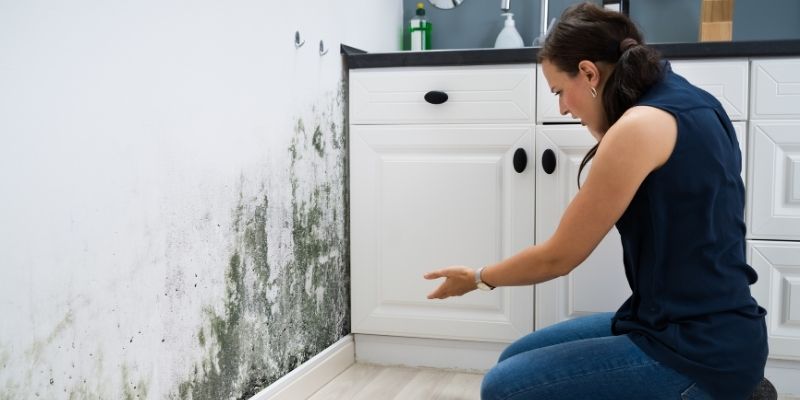
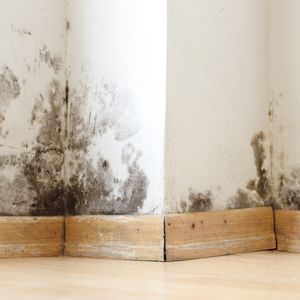
Mold is a living organism. It needs moisture and organic material, and Mississippi hands it both. Leaky plumbing. HVAC condensation dripping into ductwork. Poorly ventilated crawl spaces under older Horn Lake bungalows. Once mold settles into wall cavities, insulation, or air ducts, wiping the surface accomplishes almost nothing. The spores stay, and the moisture feeding them won’t fix itself between showings.

For a seller, mold lands on two levels. It’s a health problem for anyone living in the home or touring it. Spores circulate through the air and through heating, ventilating, and air conditioning systems, and long exposure brings allergic reactions, respiratory distress, and worse asthma. Mold is also a material defect affecting your home’s value and your legal obligations. Buyers, lenders, and inspectors treat it that way, and so does Mississippi law.

An estimated 50% of U.S. homes have some form of water damage, the single biggest driver of indoor mold growth. In a Gulf South state, that number doesn’t surprise me.
What Types of Mold Are Commonly Found in Mississippi Homes?

Not all mold is the same, and the type shapes both the health risk and the remediation cost.

The Penicillium/Aspergillus group is the most common toxic mold type found in homes, showing up in 38% of all tested indoor air samples. You’ll find it in Mississippi bathrooms, under kitchen sinks with slow leaks, and inside HVAC systems holding moisture. These molds are allergenic, so they trigger symptoms in sensitive people rather than producing the mycotoxins tied to the worst species.

Cladosporium is the most common mold type in homes and businesses alike, and it grows on textiles, wood, and other organic materials. In Mississippi’s older housing stock, it turns up on bathroom ceilings, window frames with condensation, and carpet where the air conditioning runs hard against summer heat. Cladosporium doesn’t produce mycotoxins. It’s still a significant allergen.

Stachybotrys chartarum, the infamous toxic black mold, draws the most attention and the most panic. It usually follows an ongoing moisture problem, such as leaky pipes or a previous flood. Plenty of Mississippi properties took on water during Gulf Coast storms and through the Delta, so Stachybotrys is a real concern in homes nobody dried out. It produces potent toxins called macrocyclic trichothecenes, which irritate the mouth, throat, and nose and bring on cough, chest tightness, and headaches.

Color won’t tell you the species. Only professional testing will.

Do You Have to Disclose Mold When Selling a House in Mississippi?

Is a House with Mold Sellable in MississippiA seller in Olive Branch had a closed-off spare bedroom with a window AC unit that had leaked for years. Nobody knew mold was behind the drywall until her son-in-law caught the smell.

The urge to stay quiet about a problem like that is understandable, and it’s exactly what creates legal liability. Sellers in Mississippi must disclose known environmental hazards affecting the property, which can include mold, asbestos, radon, and other hazardous materials. “Known” is the operative word. You aren’t required to test. If you already know about an issue, say so clearly.

Mississippi’s framework is the state’s Real Estate Transfer Disclosure Requirements, codified under Title 89, Chapter 1 of the Mississippi Code. The Mississippi Real Estate Commission publishes the mandatory Property Condition Disclosure Statement, and sellers have to use the current version. The form asks specifically about radon, septic system failure, foundation issues, unpermitted work, mold, water damage, and selling a house in a flood zone.

The Property Condition Disclosure Statement is not a warranty. It’s a formal statement of the home’s condition based on what you actually know. If you genuinely didn’t know about the mold, you’re protected. If you knew and stayed quiet, you’re exposed. Painting over mold and calling it a fresh coat does not count as not knowing, and inspectors catch it regularly.

Written disclosure is the safest move every time. It closes the legal loop.
Is It Illegal to Sell a House with Mold in Mississippi?

Selling a house with mold is not illegal in Mississippi. No state statute prohibits the sale of a mold-affected property. You can list it, price it, disclose it, and sell it without breaking any law. Violating the disclosure requirements can bring lawsuits, financial penalties, and criminal charges in extreme cases. The mold isn’t the illegal part. Concealment is.

Real trouble starts when a seller knowingly hides the problem, takes a buyer’s earnest money, and closes anyway. A buyer who later finds undisclosed mold can pursue damages or rescission of the sale. Mississippi courts treat material defect concealment seriously, and mold affecting structural integrity or air quality qualifies.

How Does Mold Affect Your Home’s Value in Mississippi?

Can a House with Mold Be Sold in MississippiBuyers running a comparative market analysis on a mold-affected property don’t just subtract the remediation cost. They subtract remediation, plus a risk premium, plus their anxiety about what else might be wrong.

A clean, well-priced home in Southaven or Olive Branch moves in 35 to 45 days in a normal market. The same home with a disclosed mold issue sits longer, pulls lower offers, and attracts buyers who negotiate hard because they can’t quantify the risk.

Professional mold remediation typically runs $1,200 to $3,750, averaging $2,300 for most homeowners. HVAC mold remediation, which means specialized cleaning of the ductwork and air handling system, runs $3,000 to $10,000 per system. Mold in the HVAC and air ducts isn’t a surface problem. It’s a whole-house air quality problem, and buyers understand that.

Extensive whole-home remediation can push past $10,000. Drywall, HVAC systems, and insulation are higher-risk areas, since spores penetrate deeper and cost more to remove. In older north Mississippi properties, or homes left wet after a storm, those costs multiply. I’ve watched estimates triple once contractors opened the walls.

How you handle disclosure and pricing matters as much as the mold does. A seller who gets a professional assessment and prices accordingly loses less than one who hides it and takes a low-ball offer.
Can You Sell a House with Mold in Mississippi?

A seller in Hernando inherited a DeSoto County property with visible mold in two bathrooms and behind the washer and dryer. The garage held years of stored belongings, and the HVAC hadn’t been serviced in a decade. Four months later, it changed hands.

Yes, you can sell a mold-affected house in Mississippi through a traditional listing, an investor, or a direct cash buyer. None of these paths force you to remediate everything or give the home away.

What if remediation costs more than you can carry? Cash buyers and real estate investors buy mold-damaged properties regularly in Southaven, Horn Lake, Olive Branch, and Hernando. They price in repair costs, make an offer reflecting the home’s condition, and close fast. You won’t see the number a retail buyer pays for a move-in-ready home. You also won’t spend months on repairs that may never come back. If that trade-off sounds workable, here’s what it looks like to sell your home for cash in Mississippi.

Should You Fix Mold Problems Before Selling Your Mississippi Home?

Remediation doesn’t automatically pay for itself.

That’s not a popular position, but the math backs it. Spending $4,000 to $8,000 on a larger mold remediation job might add $3,000 to $5,000 in what a buyer will pay. In a soft market, with other deferred maintenance buyers will flag anyway, it might add nothing. Remediation makes sense when the problem is isolated, the cost is low, and the rest of the home shows well.

One pattern keeps repeating. Sellers pay to remove visible mold and leave the moisture untreated, whether that’s a slow leak under a slab, a failed vapor barrier in the crawl space, or ductwork sweating condensation into the subfloor. The buyer’s inspector finds the source, and the remediation you paid for reads as incomplete instead of reassuring.

If you remediate before listing, fix the moisture first. Treat the cause, then the symptom.

How to Fix Mold Before You List Your House for Sale

Sellers ask a fair question: if I’m spending money, how do I know it’s going to the right things?

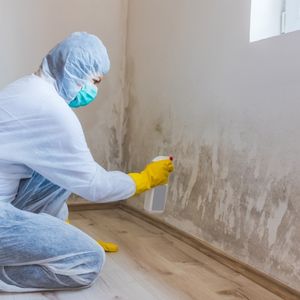
Real remediation goes well beyond removal. It means identifying the source, avoiding cross-contamination, cleaning and drying the affected areas, removing mold-infected materials, and preventing the next outbreak. That starts with a professional inspection, not a DIY bleach scrub.

Budget between $250 and $800 for professional testing before you commit. An assessment tells you which species are present, how far they’ve spread, and whether the moisture problem is still active. Without that baseline, you’re guessing at cost.

Get three estimates from licensed contractors. Check credentials, and ask about moisture source repair rather than surface cleaning. Surface cleaning removes what you see, leaves the moisture that grew it, and scatters spores while you scrub. Good remediation fixes the water problem, the step contractors skip.

If mold reached the HVAC system, air duct cleaning is a separate line item. A contaminated duct system redistributes spores to every room each time the heating and air conditioning run.

Get written documentation. A clearance letter from an independent inspector beats any verbal promise at closing.

How to Sell a House with Mold Through a Real Estate Agent in Mississippi

Retail-ready homes in DeSoto County move at a normal pace when they are priced right. Add a disclosed mold problem, and you’re competing for buyers with more choices than they’ve had in years.

Listing with an agent makes sense when the mold is documented and resolved, the home is otherwise strong, and you have time. An agent who knows the local market and has handled as-is properties can price around the mold and still reach full-value buyers.

Buyers in Olive Branch, Hernando, and the Southaven corridor south of Memphis tend to be cautious and well-qualified. They want documentation more than a discount, and they’ll often pay a strong price for it.

No agent can make mold disappear from an inspection report. List with undisclosed mold, and the strategy collapses the first time an inspector walks through with a moisture meter. The sale dies, and you’re starting over.

Can You Sell a Mold-damaged House As-Is to a Cash Buyer in Mississippi?

What if you can’t afford to remediate and you need to sell now? That’s one of the most common questions I hear.

The answer is yes. Cash buyers, including investors and companies like Your Town Buyers, buy mold-affected homes as-is, with no remediation, repairs, or staging. You disclose what you know. They make an offer based on the home’s current condition, and you close on a timeline that works for you.

Price is the trade-off. A cash offer on a mold-damaged home lands below retail market value because the buyer absorbs the repair cost and carries the risk. That’s arithmetic, not exploitation. When a bigger remediation job runs $8,000 to $15,000, plus carrying time, plus whatever the crew finds behind the walls, that risk has to sit in the offer.

Certainty and speed are what you get back. No financing contingency collapsing when a lender’s appraiser flags the mold, and no renegotiation after inspection. You stop paying utility bills and insurance on a vacant property. For estates, divorces, relocations, and financial hardship, the cash buyer route usually beats a traditional listing.

What Are the Pros and Cons of Selling a House with Mold As-Is in Mississippi?

Getting this decision wrong costs sellers real money, and it happens in both directions.

Some push for a retail listing without remediating, watch the home sit for months, take one price reduction after another, and end up below what a well-priced as-is offer would have brought. Others grab the first cash offer and leave money behind.

The advantages are real. You skip remediation costs, inspection renegotiations, financing contingencies, and months of carrying costs on an empty house. Two to three week closings are common, and once due diligence passes, the sale usually holds together.

Disadvantages are just as real. You’ll take less than retail market value. Against a statewide median sale price near $281,000, a mold-damaged home might draw cash offers around 70 to 85 cents on the dollar. Sellers with equity can absorb that gap. Sellers without much equity may find the net proceeds disappointing once the mortgage is paid off.

Vet your buyer. Not every “we buy houses” company operates transparently. Collect more than one offer, read every contract before you sign, and work with buyers who have a track record in your Mississippi market. Your Town Buyers has worked with sellers across the state, and local experience means your home gets priced on real market knowledge, not a national database formula. That holds in DeSoto County, too, where we buy houses in Southaven, Horn Lake, and Olive Branch. Sellers working with cash home buyers in Hernando run into the same crawl space and humidity problems.

How Much Money Will You Make Selling a Mold-Damaged House in Mississippi?

It depends on what you choose now, not on what the mold has already cost you.

I’d say the same thing at your kitchen table. The mold is sunk. How you approach the sale is what’s still in play. Sellers who get a professional assessment, understand their real costs, and price accordingly net more than sellers who decide emotionally.

Take a seller who remediates a contained problem for $2,500, documents it with a clearance letter, and lists at market value in Hernando or Olive Branch. That seller can sell near the top of the comparable range, and the remediation cost comes back in the price.

Now picture widespread mold through a crawl space and HVAC system, deferred maintenance everywhere, and an estate timeline with no room for retail marketing. That seller nets more from a cash sale than from a listing that expires over and over, like the Southaven heir.

I worked with a family in Horn Lake whose estimate to rebuild a mold-damaged kitchen and bathroom ran higher than the kitchen was worth against neighborhood comparable sales. Rather than sink money into renovations the market wouldn’t reward, we moved through an as-is cash sale.

Net proceeds vary too widely for one number. Sellers who get informed, disclose accurately, collect multiple offers, and work with experienced local buyers do better than those who panic or stall. If you want a realistic read on what your property could net, the team at Your Town Buyers will walk you through the numbers.

Frequently Asked Questions

Can You Be Sued If You Sell a House with Mold?

Yes, if you knowingly concealed mold and left it off Mississippi’s Property Condition Disclosure Statement. A buyer who discovers it after closing may pursue damages or rescission of the sale. Written disclosure is your best legal protection. Once a buyer knows about the mold and goes ahead anyway, a concealment claim has nowhere to land.

What Are the Mold Disclosure Laws in Mississippi?

Mississippi sellers must disclose known environmental hazards, mold included, under the state’s Real Estate Transfer Disclosure Requirements in Title 89, Chapter 1 of the Mississippi Code. The Mississippi Real Estate Commission publishes the mandatory Property Condition Disclosure Statement, and sellers must use the version in force when they list. Disclosure rests on actual knowledge. You report what you know, not tests you haven’t run.

Does a Realtor Have to Disclose If a House Has Mold?

A licensed agent or broker in Mississippi who learns about a mold problem cannot legally withhold it from prospective buyers. Their obligations under state licensing rules run parallel to yours, and concealing a material defect puts their license at risk. If your agent tells you to stay quiet about visible mold, reject that advice.

How Hard Is It to Sell a House with Mold?

It depends entirely on how you handle it. A home with documented, remediated mold and a clearance letter from an independent inspector sells on a fairly normal timeline. A home with active, undisclosed mold struggles at every stage. Inspections surface it, lenders may refuse to finance, and buyers walk. Sellers who disclose accurately and price accordingly find the process far more manageable.

Want to talk through your situation? No pressure and no obligation, just a straight conversation about your home and what makes sense for you. Reach out to the team at Your Town Buyers whenever you’re ready.

Helpful Mississippi Blog Articles

Sell My House in Mississippi

Get Your Cash Offer And Sell Your House Without An Agent Today

Fill out the quick form below or call us at (901) 675-8005 to get an offer on your house TODAY!

"*" indicates required fields

This field is for validation purposes and should be left unchanged.
Property Address*
Scroll to Top