
A death certificate alone won’t move a deed. Families find that out at the title company, holding one certified copy, assuming the house is theirs to sell. Selling inherited property in Tennessee runs on a specific stack of paper, and the order you gather it in changes how fast you close. I’ve bought houses across Tennessee for years, from brick ranches in Raleigh to farmhouses outside Somerville, and paperwork is almost always what stalls people.
What Is Probate and Why Does It Matter in Tennessee?
Two counties, Shelby and Davidson, run a separate probate court. Everywhere else in Tennessee, chancery court handles estates unless a local act assigns them elsewhere. Make your first call to the clerk in the county where the decedent lived, not the courthouse nearest you.
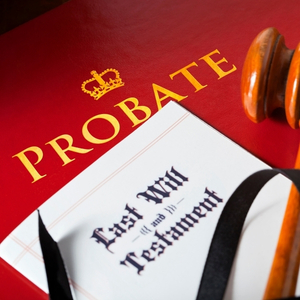
Probate is the court process that confirms a will, appoints someone to act, pays debts, and clears the way for property to legally change hands. Skip it and the decedent’s name just sits on the deed.
Timing matters to anyone holding inherited property. Six to twelve months is common for an uncontested Tennessee estate, and longer happens, because the four-month creditor claim period under TCA 30-2-306 and 30-2-307 sets the floor. That clock starts when notice to creditors gets published, not when the person died.
One piece of paper moves on its own schedule. Under Tennessee Code Annotated Section 32-1-113, whoever holds the original will has to pass it along as soon as they learn of the death. It goes to the named personal representative, or to the clerk of the probate court in the decedent’s county.
Tennessee estates stay under supervision start to finish. The payoff shows up later, when a title examiner can trace every step.

Do You Have to Open Probate to Sell Inherited Real Estate in Tennessee?
Three siblings called me about their mother’s house in Horn Lake, just south of Memphis. They’d sat on it fourteen months, certain the court had to finish before anybody could sell. Nobody had told them otherwise.
Not every estate needs full administration. Tennessee has a small estate affidavit, and it comes with a wall real estate can’t climb. It covers personal property under $50,000, you wait 45 days after the death to use it, and the house can’t go on it at all.
Some inherited property skips probate entirely because of how title was held. A deed held as tenants by the entirety passes to the surviving spouse by operation of law, and the same goes for joint tenancy carrying a right of survivorship. If the home sat in a revocable living trust, the successor trustee can sell without a court order.
Where people get burned: they read “joint tenants” on a deed and assume survivorship applies. Deed language in Tennessee is particular, so the wrong phrasing leaves the heirs owning the inherited property as tenants in common instead. One title attorney settles that in ten minutes, for a fraction of a failed closing.
You don’t have to wait out the creditor window, or all of probate, before listing. Plenty of Tennessee estates market the inherited property during administration and close once letters are in hand.
Who Can Legally Sell an Inherited House in Tennessee?
Families tend to treat the oldest sibling, or whoever holds the keys, as the decision-maker. The law in Tennessee doesn’t see it that way. Authority comes from a court appointment or from the deed itself, and nothing else counts at the closing table.
If the will names an executor and the court issues letters testamentary, that person signs. With no will, a family member petitions to be appointed administrator and the court issues letters of administration. Under TCA 30-1-106, a surviving spouse has first priority in an intestate Tennessee estate, though only if the spouse applies.
Some wills grant the executor outright power to sell real property. Many older Tennessee wills don’t, and then the executor has to petition the court for permission before conveying inherited property.
Title vests in the heirs at the moment of death, so with no executor in place, every single heir signs the deed. All of them. A brother in Oregon who hasn’t spoken to the family since 2009 still has to sign, and I’ve watched sales fall apart over exactly that. Track down every heir before you accept an offer on inherited property, not after.
A trustee sells on the trust instrument plus a certificate or affidavit of trust, no probate court involved. Cleanest paperwork in Tennessee real estate. It’s why I tell people with living parents to ask about a trust now, not later.
What Documents Do You Need to Sell Inherited Property in Tennessee?
Certified death certificates come first, and order 10-15 copies. Next comes the original will if there is one, filed with the clerk in the decedent’s home county.
Your letters testamentary or letters of administration are what prove you can sign. Title companies across Tennessee want them dated recently, usually within sixty days of closing, so don’t pull copies a year early. They’ll be stale by closing and you’ll pay for fresh ones anyway.
Dig up the existing deed. The register of deeds in the county holds it, and that document tells you how ownership was structured, whether survivorship language exists, and what legal description carries onto the new deed.
Then the debt side: the mortgage payoff statement, any home equity line, property tax records, and a title search covering liens. TennCare estate recovery surfaces here, on inherited property where the decedent received long-term care at 55 or older. Filing a Request for Release tells you whether the state wants anything back from the estate.
Round it out with homeowner’s insurance on the vacant property, utility accounts, HOA documents if any, and the Tennessee residential property disclosure form. A fiduciary selling during estate administration is exempt from that form under TCA 66-5-209, though a defect you know about still has to come out. Has your insurance carrier been told the place is empty?
How Does Selling an Inherited Property Work in Tennessee?
“I’ll just wait until probate finishes, then list it.” That’s the plan I hear most, and it costs families real money. Vacant houses deteriorate fast; a pipe freezes in a January cold snap in Millington and you lose more than holding costs.
Once you’ve got authority to sign, the mechanics look like a normal sale with extra signatures. You price the inherited property, market it or take a direct offer, open title, clear liens, and close. The estate signs, not the individual heirs, unless title already vested in them.
Tennessee’s median sale price ran about $380,000 in October 2026, down roughly 1 percent year over year. Homes took a median 62 days to sell and went for about 97.4 percent of list price. Inherited property that needs a roof competes against updated homes in that same inventory.
Shelby County runs its own race. The county median sale price was $244,453 for the three months ending September 2026, down 13.3 percent from a year earlier. Homes there took a median 48 days to sell and closed at 96.7 percent of list.
Add closing time to whatever marketing window you plan. A financed Tennessee buyer usually needs another 30 to 45 days after the contract. If you’re hoping to distribute proceeds by a certain date, count backward from the courthouse, not forward from the listing.
Sale proceeds land in the estate account, not in the heirs’ hands, until the court approves distribution.
What Challenges Come Up When Selling a Deceased Estate's Property?
Family disagreement wrecks more inherited property sales in Tennessee than any repair issue ever will.
Four heirs own equal shares. Two want cash this spring, one wants the house kept in the family, one won’t return calls. Tennessee hands a stuck co-owner the partition action as a remedy, but the court route is slow, it’s public, and attorney fees come off the top of everybody’s share.
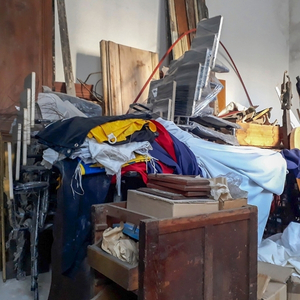
Condition is the next problem. Houses lived in by someone in declining health tend to need roofs, electrical work, and a full cleanout.
Creditor claims blindside Tennessee executors. Four months from first publication is the rule, though a creditor who wasn’t properly notified gets more time. Medical bills from a final hospitalization eat a real slice of the proceeds.
Missing or defective deeds turn up all over rural Tennessee, on land that passed informally through two or three generations.
Carrying costs accrue the whole time: insurance, utilities, lawn care, property taxes. Real dollars leave the estate every month the inherited property sits. When those months start stacking up, we buy houses fast in Tennessee and can close on the estate’s timeline.
Will You Owe Taxes on the Sale of Inherited Property in Tennessee?
Miss the stepped-up basis rule and you could hand the IRS a bill on decades of appreciation you never pocketed. That’s the whole ballgame for most families selling inherited property.
The state takes nothing off the top. Tennessee’s inheritance tax was repealed for dates of death in 2016 and after, per the Tennessee Department of Revenue. The Hall income tax was repealed for tax years beginning January 1, 2021, so no state income tax touches the gain either. The gift tax ended back in 2012.
Federal capital gains is the piece that still applies. Inherited property takes a basis stepped up to fair market value as of the date of death. Sell near that value and the taxable gain is small or zero. Sell years later, after the market has run, and the gain between the date-of-death value and your sale price is what gets taxed.
That makes a date-of-death appraisal the single most valuable document in your folder. Get one from a licensed Tennessee appraiser, dated to the death, not a Zillow estimate pulled later.
Inherited property sales also get long-term capital gains treatment no matter how briefly you held the place. Any gain reports on Schedule D. A Tennessee CPA who handles estates earns the few hundred dollars easily. IRS guidance resets the brackets each year, and for 2026 a married couple filing jointly owes nothing on long-term gains up to $98,900 of taxable income.
How Can You Sell Your House Fast in Tennessee?
For years I told sellers to fix the place up first, and that advice was wrong more times than it was right.
Repair money spent on inherited property rarely comes back dollar for dollar, especially when four heirs are financing it and arguing about contractor bids. With homes statewide selling just under list and sitting two months, every week of contractor work is another week of carrying costs. Our guide on how to sell a Tennessee house without repairs breaks down which fixes buyers actually pay for.
Selling an inherited house as-is to a cash buyer skips the repair question altogether. For heirs scattered across three states, that simplicity is worth more than the last few percent of price. Whether you call us or another company that buys houses in Collierville, TN, ask what the as-is number covers.
A man called me on a Tuesday afternoon from Bartlett, outside Memphis. He’d found us searching for cash house buyers in Bartlett, TN. He’d quietly paid two mortgages for almost a year after his father died. His dad’s woodworking shop still filled the garage, and he couldn’t list the house until somebody told him it was okay to stop sorting.
If you want a straightforward conversation about what your inherited property would bring as-is, Your Town Buyers works with Tennessee estates regularly and understands probate timing. We’ve been known to tell families they’d do better listing it, because sometimes that’s true.

Frequently Asked Questions
Do I Have to Pay Taxes When I Sell a House I Inherited?
You won’t owe Tennessee anything, since the state collects no inheritance tax, no estate tax, and no income tax on the sale. Federally, you may owe capital gains, but only on appreciation between the date-of-death value and what you sell for. Sell soon after inheriting and that gap is usually small, which is exactly why a dated appraisal matters.
Is There a Deadline for Opening Probate in Tennessee?
Tennessee sets no statute of limitations for opening an estate administration, so you can petition months or even years after a death. The original will is the exception, as described above, since whoever holds it has to pass it along once they know of the death. Courts get reluctant to issue letters once a decade has gone by, and heirs and records get harder to find.
Who Inherits in Tennessee When There’s No Will?
Under Tennessee Code 31-2-104, a surviving spouse takes the entire intestate estate when there’s no surviving issue; with children, the spouse receives either one-third or a child’s share, whichever is greater. Children split the rest equally, and a deceased child’s portion passes to that child’s own descendants. With no spouse and no descendants, parents inherit, then siblings, then more distant relatives by statute. You can read the full text on FindLaw’s statute page.
How Do I Transfer a Deed to a Family Member in Tennessee?
An executor or administrator with authority conveys inherited property by executor’s deed; a trustee uses a trustee’s deed. Between living family members outside an estate, a quitclaim or warranty deed prepared by a Tennessee attorney and recorded with the county register of deeds does the job. Tennessee’s transfer tax runs $0.37 per $100 of value and the grantee pays it, though a deed from an executor carrying out a will is exempt. Ask the register’s office what’s due before you show up. If the transfer is between living relatives instead, our walkthrough on how to file a quitclaim deed in Tennessee covers the steps and the recording fees.
Can One Heir Force the Sale of Inherited Property?
Yes, through a partition action in Tennessee chancery court, though it’s the expensive path. A co-owner who wants out can ask the court to divide the land or order it sold and split the proceeds. Most families settle before a judge rules, because the legal fees come straight out of everyone’s share.
If you’re sitting on an inherited house somewhere in Tennessee and you’re not sure what the next step looks like, contact us and we’ll talk it through, paperwork questions included. No pressure, no obligation, and no hard feelings if you decide to list it instead.
Helpful Tennessee Blog Articles
- How to Sell a House Without a Realtor in Tennessee
- Selling a Probate House in Tennessee
- How to Sell a House with Delinquent Property Taxes in Tennessee
- How to Sell a House with a Mortgage in Tennessee
- Selling a House in Foreclosure in Tennessee
- Selling a House During Divorce in Tennessee
- How Long Does an Eviction Process Take in Tennessee
- Appraisal Required Repairs in Tennessee
- How Much Do Realtors Charge to Sell a House in Tennessee
- How to File a Quitclaim Deed in Tennessee
- How Much Does It Cost to Stage a House in Tennessee
- How to Sell a Tennessee House without Repairs
- How to Sell Your House and Relocate Out of State
- Required Paperwork for Selling an Inherited House in Tennessee
Get Your Cash Offer And Sell Your House Without An Agent Today
Fill out the quick form below or call us at (901) 675-8005 to get an offer on your house TODAY!
"*" indicates required fields
