

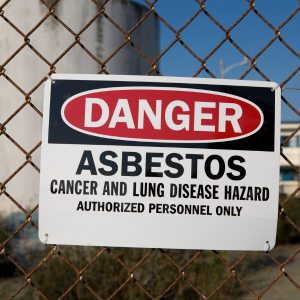
Can You Sell a House with Asbestos in Tennessee

Sell Your House With Asbestos Tennessee

Asbestos doesn’t smell. It doesn’t stain a ceiling or drip through a floor. It sits in a crawlspace, wrapped around heating pipes, looking like tired old plaster, and it can sit there another forty years without harming a soul. Then somebody decides to move, a buyer’s inspector crouches down with a flashlight, and one word in a report sends everyone into a spiral.

I’ve bought houses with asbestos in the pipes, the siding, and the floor. So can you sell a house with asbestos in Tennessee? Yes. Selling was never the hard part. The panic was. So let’s walk through what’s real, what Tennessee law actually asks of you, and where sellers lose money they didn’t have to lose.

What Is Asbestos and Why Was It Used in Homes?

Selling a Home With Asbestos Tennessee

Shelby County’s median sale price sat at $259,240 in July 2026, down 2.4% from a year earlier, according to Redfin. Plenty of what sells here went up long before anybody regulated what went inside the walls. The same goes for the older blocks of Nashville, Knoxville, and Chattanooga.

Asbestos is a mineral, mined out of the ground in fibrous bundles. It shrugs off heat, fire, and corrosion. It’s also cheap.

You can see why builders reached for it. Wrap a furnace’s supply pipes in asbestos insulation and the heat stays in the pipe. Mix asbestos fibers into cement and you get siding shingles that survive fifty Tennessee summers.

Through the 1930s and into the 1970s, the stuff showed up in roofing, joint compound, textured ceiling paint, furnace jackets, and vinyl flooring backing. I’ve found at least one of those in nearly every pre-1980 house I’ve bought. Use fell off sharply in the late 1970s as the health science piled up. If your house was built before 1980, assume something in it contains asbestos until a lab tells you otherwise.

In March 2024, the EPA finalized a rule banning the ongoing uses of chrysotile asbestos, the last form still imported into the country. That rule governs commerce, not your crawlspace. Nothing in it orders you to strip asbestos out of a house you already own, and nothing in it blocks a sale.
Why Is Asbestos Dangerous to Your Health?

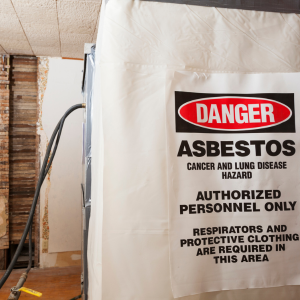
“It’s been under that house since my grandfather bought the place and nobody ever got sick.” I hear that a lot on walkthroughs, and it’s often true. Intact asbestos sealed inside a floor tile or a cement shingle isn’t releasing much of anything. Danger arrives with disturbance: sanding, cutting, scraping, drilling, or the slow crumble of pipe insulation that’s finally given up.

Once fibers go airborne, they’re microscopic, and they don’t dissolve. Lungs can’t clear them. The EPA ties asbestos exposure to lung cancer, mesothelioma, ovarian cancer, and laryngeal cancer, and links the material to more than 40,000 American deaths every year. Mesothelioma shows up decades after the exposure that caused it.

That latency makes this a real estate problem and not just a health problem. A buyer who plans to gut the kitchen carries the risk, not the widow who lived there quietly for thirty years.

Inspectors use two words you should know. Friable material crumbles under hand pressure, like deteriorating pipe wrap. Non-friable material holds its fibers tight, like a 9×9 floor tile I’ve pried up more than once. Friable asbestos in poor condition is the version that costs sellers real money, because it’s the version nobody wants to leave alone.

A homeowner who rips out old pipe insulation over a weekend to save a few hundred dollars has just contaminated the crawlspace and created a far larger bill. I’ve watched that choice blow up a closing timeline. Leave it alone, and it stays cheap.

Where Will You Find Asbestos in Your House?

Sellers head straight for the attic, poke at the insulation, and figure they’ve checked. Attic insulation is one candidate out of a dozen, and in Tennessee houses it’s rarely the one that stalls a sale. The heating system is.

Old gravity furnaces and floor furnaces pushed heat through ducts and pipes sleeved in white or gray insulation, often with a canvas outer wrap. Check the elbows. Look at the furnace jacket and the duct tape wrapping the seams. Replacing that equipment is what disturbs the material, which is why furnace jobs turn into asbestos jobs so often.

Then there’s the flooring. Nine-inch-square vinyl-asbestos tile is a dead giveaway of a mid-century floor, and the black mastic glued underneath it frequently contains asbestos too. Sheet vinyl from the same era used an asbestos paper backing. Both sit under layers of newer flooring in half the rentals I look at.

Outside, cement-asbestos siding shingles are common across older neighborhoods, painted over so many times that nobody notices the texture anymore. Roofing felt, flashing cement, and window glazing putty belong on the list as well. Inside, textured “popcorn” ceilings and the joint compound in drywall seams round it out.

Do your own walkthrough with a flashlight and a camera, not a screwdriver. Don’t scrape, don’t peel back canvas, don’t lift a corner of tile to check the mastic. Photograph what you find and note whether the material looks solid or powdery. That list becomes the scope you hand an inspector later. Watch for signs of partial work, too. A stretch of bare pipe next to a wrapped section usually means a previous owner pulled off whatever was convenient and walked away. Standing water is a separate problem with its own disclosure rules. We covered how to sell a house with water in the crawl space in Tennessee in detail.

A retired couple in Millington called me last fall while they emptied out a parent’s house. The garage still held bundles of cement shingles from a 1970s siding job, and the crawlspace ducts were wrapped in the crumbling stuff. We knew most of what we needed before any lab got involved.

When did you last actually look under your house?

Can You Sell a House with Asbestos in Tennessee?

Yes, you can sell it legally and without drama. The sellers who get hurt are almost always the ones who lied rather than the ones who disclosed.

Tennessee parts ways with a lot of states here, and sellers get caught off guard by it. This isn’t a buyer-beware state on paper. The Tennessee Residential Property Disclosure Act, at Tenn. Code Ann. § 66-5-201 and following, makes you hand a buyer a written disclosure of known material defects before a purchase contract is accepted. It covers residential property with one to four dwelling units.

Most sales run on the standard Tennessee REALTORS form, RF 201. Look at Section C, question one. It asks whether you’re aware of substances or materials that may be environmental hazards, and it names asbestos first on the list. Your answer choices are yes, no, or unknown.

Silence isn’t really on the menu the way it is in buyer-beware states. Answering that question falsely is where the liability lives. If you know the crawlspace pipes tested positive and you check “no,” you’ve misrepresented a material fact in writing, with your signature under it. Painting over deteriorating pipe wrap to hide it before a showing is worse, since that’s active concealment.

Two things work in an honest seller’s favor. You’re answering to the best of your actual knowledge, and nothing in the act makes you hire an inspector or go looking for trouble you don’t suspect. “Unknown” is a legitimate answer when it’s true. It isn’t the same word as “no.”

Your agent carries a separate duty. Under Tenn. Code Ann. § 62-13-403, a licensed agent has to disclose adverse facts they actually know about, whether or not anyone asks. The moment you tell your agent about the asbestos, it’s disclosed. Plan for that instead of being surprised.

Write your disclosure plainly and stick to what you actually know. “Crawlspace duct insulation tested positive for asbestos, report attached, no abatement performed” reads better than “possible asbestos throughout.” Vague guesses invite bigger guesses. Section 66-5-204 even lets you hand over a professional’s report in place of answering some questions yourself, so attach the lab results. Keep the report, contractor estimates, and the buyer’s signed acknowledgment with your closing documents.

My own bias runs toward disclosure, and not for warm reasons. A documented condition the buyer accepted in writing is the cleanest protection you can buy for yourself. That’s how we write every contract at Your Town Buyers: the condition goes in, the buyer signs off, and nobody calls anybody two years later. Vague agreements produce disputes. Specific ones don’t.

Should You Get an Asbestos Inspection Before You List Your Home?

Selling My House With Asbestos Tennessee

Which raises the tactical question underneath all of this. My answer disagrees with a lot of agents: not every seller should test.

Testing turns a suspicion into a fact, and in Tennessee, a fact you know goes on a form you sign. Say your duct wrap is intact and your floor tile is buried under laminate. A pre-listing asbestos inspection can then hand a buyer’s attorney a document to hammer you with, over a condition that posed no hazard to anyone.

Three situations earn the test. One, the material is visibly deteriorating, because a buyer’s inspector will flag it anyway and you want the first word. Two, you’re selling a property any buyer will renovate, since abatement is part of their plan regardless. Three, you want to control the number. A seller holding three abatement estimates negotiates from knowledge. A seller holding nothing negotiates against the buyer’s worst-case guess.

Clever’s 2025 research on seller stress found that 58% of homeowners worry a home inspection will turn up problems with their property. Buyers exploit that worry. Information is the antidote.

Talk it through with your attorney before you order sampling. Then ask one question: if this comes back positive, what will I do differently? If the answer is nothing, because you weren’t going to abate or reprice and expect a renovator to buy the place anyway, the test buys you paper you didn’t need. If the answer is anything at all, test.

One caution that surprises people. Tennessee’s asbestos accreditation rule reaches schools, public buildings, and commercial buildings, and its definition specifically excludes detached single-family homes and apartment buildings under ten units. So the state isn’t screening whoever shows up at your house. Vet the inspector yourself, ask where samples go, and insist the lab be accredited for asbestos analysis.
How Much Does Asbestos Testing and Inspection Cost in Tennessee?

A seller I spoke with last winter paid for two rounds of sampling because the first inspector only tested the crawlspace ducts. Her buyer’s inspector then flagged the kitchen floor, and she was back at square one.

Sample count drives your bill. Angi’s 2026 asbestos testing cost data puts professional testing between $231 and $776, with the typical inspection running about $483. Each suspect material needs its own sample, so a house with duct wrap, two flooring layers, and textured ceilings costs more than a house with one problem area.

Turnaround is quick. Collection takes under half an hour if the inspector can reach the material, and labs typically return results within a day or two. Air sampling takes longer and costs more, since equipment has to run and then be retrieved.

The visit itself is undramatic. An inspector wets the material, cuts a small piece into a sealed container, labels it, and patches the spot. You’ll be left with a few coin-sized repairs. Ask for a written report with the lab analysis attached, because a verbal “you’re fine” is worth nothing to a buyer’s attorney later. Keep the negative results too. Proving a material is clean stops the next inspector from re-litigating the same question.

Ask whether the lab fee is bundled or separate, since plenty of estimates look low because the analysis gets billed later. Hire your inspector independently, too, rather than accepting a free “inspection” from the company that wants the abatement contract. That company benefits more than you do from a passing grade.

What Are Your Asbestos Remediation Options and Costs?

For years I told sellers that full asbestos removal was the only serious answer. That was wrong often enough that I stopped saying it.

Encapsulation seals the material in place behind a coating or enclosure so fibers can’t escape. It runs roughly $2 to $6 per square foot, and it’s legitimate for non-friable material in good condition. Lenders and buyers accept it more readily than sellers assume. Removal is the other path, and interior asbestos removal generally falls between $5 and $20 per square foot, according to This Old House’s 2026 abatement cost guide. Siding is its own project, with Angi putting professional asbestos siding removal at $1,300 to $3,900. Whole-home work can pass $5,700 without much effort.

Now the compliance piece, which works differently here than most sellers expect. Tennessee’s demolition and renovation rule, 1200-03-11-02(2)(d), requires a survey by an accredited inspector and written notice to the state at least 10 working days before work starts. Notice is required for every demolition, even when the survey finds nothing. Renovation triggers it above 260 linear feet on pipes, 160 square feet on other components, or 35 cubic feet where the material can’t be measured in place.

One wrinkle trips people up. That rule keys off the federal definition of a facility, which excludes residential buildings with four or fewer dwelling units. A detached house usually sits outside it. Four counties run their own programs and their own paperwork, so where the house is matters: Davidson, Shelby, Knox, and Hamilton. Nashville handles filings through the Metro Public Health Department’s Pollution Control Division, with a $100 permit fee above the threshold amounts. Shelby County charges a $130 notice fee through its health department. Ask your contractor which agency they file with and get the answer in writing. Bartlett sits inside Shelby County, so the same filing applies to houses there. Sellers who would rather hand off the whole job can see how we work as cash home buyers in Bartlett, TN.

Disposal rules don’t care about the exemption. Asbestos waste needs special waste approval before a Tennessee landfill will take it, and it can’t ride out with household trash. Waste leaves in labeled, sealed bags bound for a permitted facility.

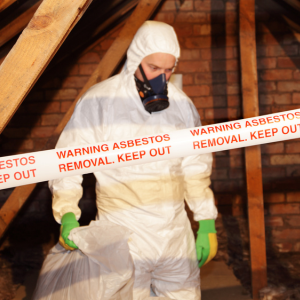
Abatement day itself is mundane. Crews seal the work area in plastic and run negative air pressure so nothing migrates. That part of the house is off limits while they work, pets included, and the heat gets shut down. A crawlspace pipe job takes a day or two. Flooring and siding take longer. Save every piece of paper the job generates. That packet reassures your buyer and satisfies an appraiser.

One more avenue worth knowing about. Tennessee’s Weatherization Assistance Program runs through THDA and local agencies in all 95 counties. It serves households at or below 200% of the federal poverty level, and it can pay to clear health and safety barriers that block the work. The catch matters for this conversation: the program doesn’t serve homes that are listed for sale. Look into it before you list, not after.

What Will Buyers and Their Lenders Look For?

“Will a bank even lend on this house?”

Usually, yes. Appraisers flag conditions that threaten health and safety, and deteriorating friable material under a house can trigger a repair requirement before a loan funds. Intact siding shingles or buried floor tile rarely do. The variable isn’t whether asbestos exists. It’s whether an appraiser sees damaged material in a visible spot.

Government-backed loans apply stricter property condition standards than conventional financing does. If you’re selling a house with crumbling pipe wrap to an FHA or VA buyer, budget mentally for abatement being a condition of closing. Your buyer’s loan officer can confirm what their underwriter will require, and that conversation should happen before you accept an offer. Asbestos is not the only condition that turns into a loan requirement. Our rundown of appraisal required repairs in Tennessee covers what else appraisers flag.

Underwriters don’t like surprises. If an appraiser does call for a repair, get the exact language in writing before you hire anybody. Sometimes the requirement is that the material be made safe rather than removed, and encapsulation satisfies that at a fraction of the cost.

Timing is the hidden cost. Tennessee homes sold at a median of 66 days on market in August 2026, per Redfin’s state data, with the statewide median sale price at $378,325 and prices up 0.9% year over year. Between scheduling asbestos abatement, any notification waiting period, the work itself, and a clearance check, you can lose a month or more of your contract timeline.

Cash buyers change the math because there’s no appraiser and no underwriter. We buy houses as-is at Your Town Buyers, asbestos included, and we handle the abatement ourselves after closing. That’s not the right move for every seller. For a seller who can’t front several thousand dollars in remediation before a house will finance, it’s usually the only move that works. We run the same process across the metro, where we also work as cash home buyers in Collierville, TN.

Ask your agent how a disclosed asbestos condition has played in Tennessee. Answers vary more by neighborhood than by state law.

How Do You Negotiate a Fair Price When Selling a House with Asbestos?

Selling a House With Asbestos Tennessee

A seller in Cordova got a $25,000 credit demand after her buyer’s inspector found pipe insulation under the house. She came back with two abatement estimates under $4,000 apiece and settled at $5,000.

That’s the whole strategy. Estimates beat fear. A buyer with no number in hand will invent one, and the invented number runs high, because it’s padded with everything they don’t know. Three real numbers from Tennessee contractors collapse that guess into arithmetic.

Gather those estimates the right way. Send every contractor the same lab report and written scope, and ask each for a line-item price covering any filings and follow-up testing. Confirm they’re pricing the same square footage and the same rooms. Estimates covering different work aren’t comparable, and a buyer’s attorney will spot that immediately. Hand the buyer the actual documents rather than a summarized number. Check that whoever you hire holds the Tennessee specialty contractor’s license the state expects for abatement work.

Structure matters too. A price reduction is cleaner than a repair credit, since credits get tangled up in lender limits on seller concessions. An escrow holdback works when the abatement can’t be finished before closing, though both attorneys will want the release terms spelled out.

Leverage depends on your market, and right now Shelby County isn’t handing sellers much. Over the three months ending in July, only 12.8% of sales closed above list, the typical home went for 96.3% of asking, and Redfin counted price drops on 25.6% of listings. A seller in a market like that concedes more than a seller fielding competing offers. Know which one you’re in before you dig in.

Price it into the listing from day one if the material is bad. Underpricing by the abatement cost and saying so removes the negotiation, and it attracts contractors and investors who see a discount rather than a hazard.

An heir in Arlington reached out after carrying two mortgages for close to eleven months. He’d tried twice to list his late mother’s house, and both buyers walked after inspection over the crawlspace ducts and the 1950s tile in the sunroom. The duplicate payments cost him far more than abatement ever would have. We closed in under three weeks with the asbestos exactly where it was.

Frequently Asked Questions

Is It Difficult to Sell a House That Has Asbestos in It?

Harder than selling a house without it, but nowhere near as hard as sellers fear. Intact, undisturbed material in a documented condition barely moves the needle. Deteriorating material under a house is what shrinks your buyer pool, mostly because government-backed loans hold properties to tighter condition standards. Bring your own contractor estimates to the table and you’ll keep control of the conversation.

Do I Have to Disclose Asbestos on the Tennessee Property Disclosure Form?

If you know about it, yes. The standard RF 201 form asks directly whether you’re aware of materials that may be environmental hazards, and asbestos is named in the question. You answer from your actual knowledge as of the date you sign, and the act doesn’t require you to test or investigate first. So a truthful “unknown” is fine when you really don’t know. What you can’t do is check “no” about something you know is there.

Can I Remove Asbestos Myself in Tennessee?

Legally, a homeowner working on their own detached house sits outside most of the rules that bind commercial jobs. Practically, it’s one of the worst moves a seller can make. Dry-scraping duct wrap turns a contained problem into a contaminated house, and the cleanup runs past what abatement would have cost. Disposal stays regulated no matter who does the work. Landfills require special waste approval, and fees typically run $10 to $50 per cubic yard plus a permit. You also hand yourself a disclosure headache, because now you know exactly what was there and what you did with it.

What Happens If a Buyer Finds Asbestos After Closing?

It depends almost entirely on what you put in writing. Under Tenn. Code Ann. § 66-5-208, a buyer claiming misrepresentation on the disclosure statement has one year to file, measured from whichever came first: receiving the disclosure, closing, or occupancy. The remedy is actual damages for defects that existed when the contract was signed. Liability turns on what you knew, so an honest “unknown” sits in a very different place than a false “no.” Intentional concealment opens other doors, and that’s the version that costs people.

Am I Exempt from Tennessee’s Disclosure Requirement?

Some sellers are. The exemption list at Tenn. Code Ann. § 66-5-209 covers transfers like court-ordered sales, certain foreclosures and bankruptcies, public auctions, and owners who haven’t lived in the property at any time in the prior three years. That last one catches a lot of heirs and long-distance landlords. There’s also a separate path: a buyer can waive the disclosure and accept an “as is” disclaimer statement instead, though that’s the buyer’s choice, not yours. None of these erase liability for lying about something you knew. Ask a Tennessee real estate attorney which one applies to you before you assume any of them do.

If you’d rather skip the asbestos abatement and the appraisal entirely, we’ll look at the house as it sits. Call Your Town Buyers at (901) 675-8005 when you want a number to compare against, and sell only if it beats your other options.

Get Your Cash Offer And Sell Your House Without An Agent Today

Fill out the quick form below or call us at (901) 675-8005 to get an offer on your house TODAY!

"*" indicates required fields

This field is for validation purposes and should be left unchanged.
Property Address*
Scroll to Top